
Ingredient guide · Horseradish
Grating Fresh Horseradish
Freshly grated horseradish has a clean, sharp heat that jarred versions rarely match. The root is hard and fibrous, which makes hand grating slow, and grating releases powerful fumes.

What to know before you start
Horseradish gets its heat when its cells are broken, so grating releases strong, eye-watering fumes. Work in a well-ventilated room, keep your face away from the bowl and avoid touching your eyes. The heat fades as grated horseradish sits; traditional prepared horseradish adds vinegar soon after grating, and it keeps best in a sealed jar in the refrigerator.
Work with ventilation
Grating fresh horseradish releases strong fumes. Ventilate the room, keep your face away from the bowl and avoid touching your eyes.
How to prepare and grate
Scrub and peel
Scrub the root, then peel away the brown skin and trim any woody or discolored spots.
Cut into lengths
Cut the root into large lengths that fit the hopper.
Use the regular blade
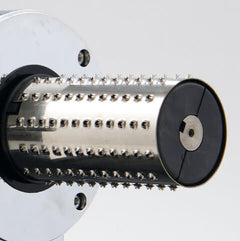
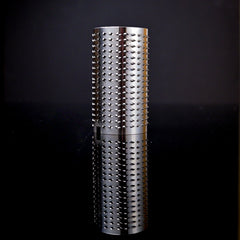
The Regular Grating Blade included with the grater grates horseradish and other root vegetables.
Ventilate
Open a window or turn on the range hood before you start.
Start empty, then Stack and Push
Turn the grater on with an empty hopper, feed steadily, and stack the next piece on top as one gets low.
Which blade to use
Use the Regular Grating Blade, included with every Grandma Ann's Electric Grater. It grates horseradish and other root vegetables without turning them into a purée.
Stack and Push
As one piece gets low, place the next piece on top and press steadily with the pusher. A small final remnant is normal: the pusher stops above the drum. Never reach toward the drum with fingers or utensils.
Stack & Push guide: Step 1(opens in a new tab) · Step 2(opens in a new tab)
Traditional uses
Grated horseradish is a classic condiment with roast beef, sausages and fish, and a staple of Eastern European holiday tables, including Lithuanian krienai and horseradish with beets.
Questions
Which blade should I use for horseradish?
Use the Regular Grating Blade included with the grater.
Why are the fumes so strong?
Horseradish releases its pungent compounds when its cells are broken. Grate in a well-ventilated room and keep your face away from the bowl.
How do I keep grated horseradish hot?
Its heat fades as it sits. Traditional prepared horseradish adds vinegar soon after grating; store it in a sealed jar in the refrigerator.
Why is a small piece left at the end?
A small final remnant is normal: the pusher stops above the drum. Never reach toward the drum with fingers or utensils.